Customer Retention in E-Commerce: customer retention in e-commerce success
Discover practical tips for customer retention in e-commerce to boost repeat purchases, loyalty, and revenue. Learn metrics, programs, and personalization.
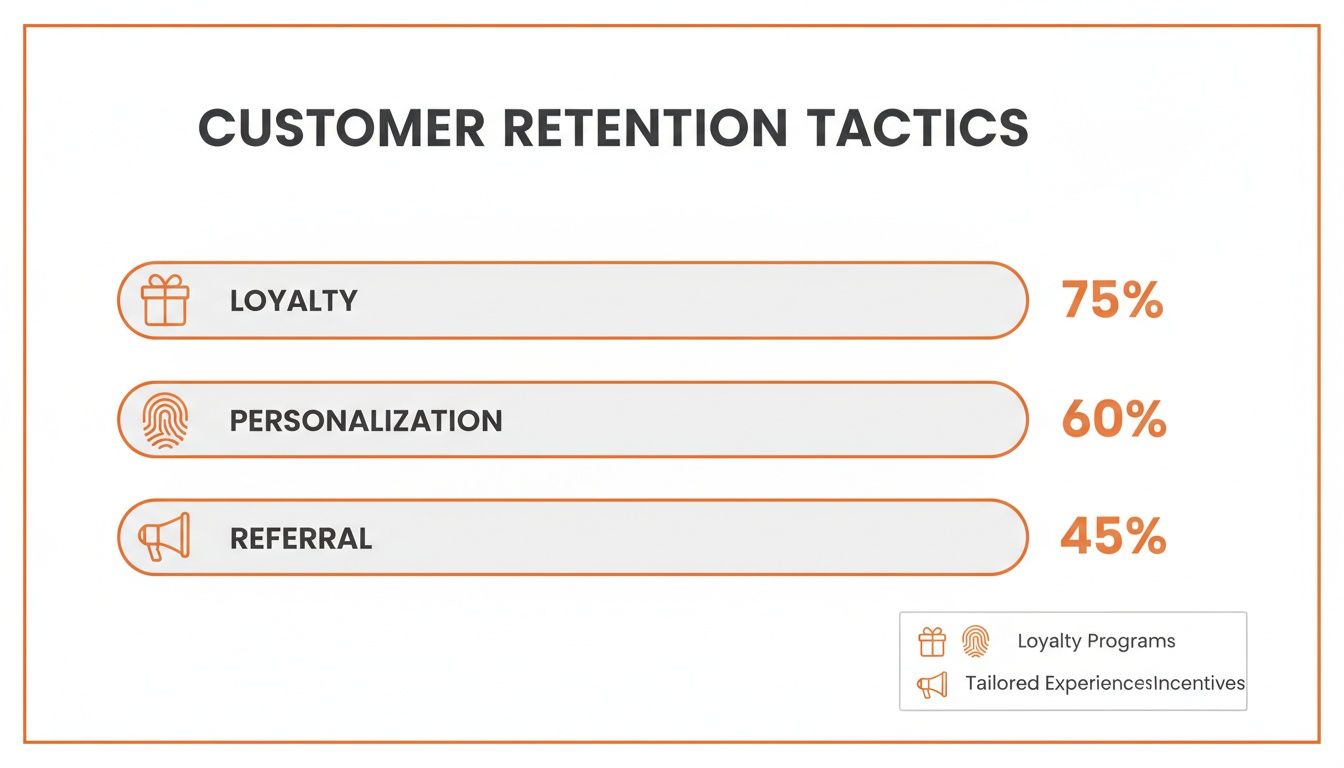
Retention tactics help you keep shoppers coming back—without pouring more into ads. Loyalty programs, personalized offers, and referral rewards work together to nudge buyers back to their carts.
Core Retention Tactics Overview
Top brands weave these tactics into a unified journey, making repeat purchases feel natural rather than forced.
Key Retention Techniques
-
Loyalty Programs
Award points for every purchase, unlock VIP tiers, or launch paid memberships to spark ongoing engagement. -
Targeted Personalization
Analyze browsing and purchase behavior to deliver relevant deals via email, SMS, and on-site pop-ups. -
Referral Incentives
Give customers credits or exclusive perks when they bring in new buyers. -
Streamlined Support
Blend self-help docs, chatbots, and live agents to resolve issues fast and keep frustration at bay.
A small apparel boutique rolled out a VIP tier with early access to limited-edition drops. Their repeat purchase rate climbed by 18% in just two months.
Meanwhile, another retailer used tailored on-site suggestions plus email reminders to boost their average cart size by 12%.
A well-known beauty brand introduced a dual-sided referral link, and sign-ups jumped by 50%.
By trimming support response times to under four hours, one store saw customer satisfaction—and second-order rates—surge.
Consistent rewards and rapid support can lift repeat purchases by over 20%.
Mixing these tactics often creates a ripple effect. One mid-size seller combined points and chatbots and ended up with a 20% increase in repeat buyers.
Why Retention Wins
Securing a new customer can cost 5–25× more than keeping an existing one. Even a 5% improvement in retention can boost profits by 25–95%.
Dive deeper into these insights in the customer loyalty statistics report.
Retention programs typically run at 2–3× lower cost than acquisition campaigns. That efficiency frees up budget for things like influencer partnerships or fresh content—further strengthening customer bonds.
Retention Strategy Summary
Here’s a quick comparison of top retention tactics and their potential revenue impact:
| Retention Tactic | Description | Impact Estimate |
|---|---|---|
| Loyalty Programs | Points, tiers, or memberships that encourage repeat buys | +10–30% revenue |
| Personalization | Customized offers across email, SMS, and on-site | +12% average order value |
| Referral Incentives | Credits or perks for sharing referral links or codes | +50% referral growth |
| Support Workflows | Fast chat, self-help, and ticketing for happier customers | +20% retention |
Use this snapshot to identify which tactics align best with your store’s goals.
Implementation Tips
- Map out clear loyalty tiers and reward milestones based on real purchase behaviors.
- Embed referral widgets in emails, product pages, and checkout flows.
- Automate follow-up emails that nudge shoppers toward second and third orders.
- Track support ticket turnaround and aim for resolutions in under four hours.
- Trigger rewards based on browsing patterns or cart abandonment signals.
- Explore Shopify apps like Toki to launch loyalty and referral campaigns in minutes.
Think of this as a launchpad: pick a couple of tactics, measure performance, then iterate. Start small, learn fast, and scale what resonates with your audience.
Track Retention Metrics And KPIs
Measuring retention isn’t just about counting repeat orders. It’s the compass that guides every loyalty initiative you launch. Without clear, accurate KPIs, it’s easy to misread performance and miss opportunities.
Choose your cohorts carefully and use consistent date ranges. That way, your data tells a true story rather than reflecting promotional spikes.
Fundamental Retention Metrics
These four numbers give you a solid base for any retention strategy:
- Customer Lifetime Value (CLV) measures the total revenue you can expect from one shopper over the entire relationship.
- Churn Rate tracks the percentage of customers who stop buying within a set timeframe.
- Repeat Purchase Rate shows the share of buyers who place more than one order.
- Active Customer Ratio reflects the portion of your customer base that purchased in the last 90 days.
Picking the right cohort and using the same windows for each comparison keeps your findings reliable.
Key Retention Metrics Comparison
Here’s a quick side-by-side look at the essential KPIs, their definitions, and target benchmarks for growing e-commerce businesses.
| Metric | Definition | Benchmark |
|---|---|---|
| Customer Lifetime Value | Total revenue expected from one customer over lifespan | $150 |
| Churn Rate | Percentage of lost customers per month | 5–7% |
| Repeat Purchase Rate | Share of customers placing more than one order | 20–30% |
| Active Customer Ratio | Portion of base buying within last 90 days | 35–40% |
Use this comparison to spot gaps in your performance and set realistic, data-driven targets.
Calculating Metrics In Google Analytics
Cohort analysis in Google Analytics can highlight where shoppers drop off after their first purchase. By grouping customers by week and tracking retention at 7, 14, and 30 days, you’ll see exactly when attention wanes.
That view exposes early churn spikes so you can launch targeted email nudges or special offers. Just remember to segment by campaign or channel—raw GA data often mixes traffic sources and can skew your readings.
Building Dashboards In Shopify
Shopify’s native reports cover the basics, but combining them with third-party apps or BI tools turns data into action.
- Export order history to CSV and tag each record with the first purchase date.
- Calculate monthly cohorts in a spreadsheet or BI platform.
- Hook into Shopify’s REST API to keep those cohorts fresh without manual imports.
If you need deeper insights, apps like Toki plug in seamlessly. You can also link Google Data Studio or Power BI for a cross-platform view and real-time alerts.
Quick Tips For Clearer Dashboards
- Compare 30/60/90-day windows side by side
- Highlight any metric that slips below your benchmark
- Automate email notifications for dips in repeat purchases
Document anomalies alongside marketing campaigns or site changes. Quarterly reviews with your team will keep everyone aligned and focused on improving retention month over month.
Learn more about tracking customer retention in our guide on customer retention KPIs and refine your metrics framework.
Design Loyalty Programs And Paid Memberships

Launching a loyalty program turns one-off buyers into devoted customers. When every dollar spent earns points toward future rewards, shoppers feel a personal connection. In fact, a boutique cosmetics shop I collaborated with introduced a three-tier system and saw a 30% increase in average order value.
Understanding Point Systems
Point schemes drive small, frequent purchases by offering instant gratification. Start by aligning your point values with your margins:
- Earning Rate: 1 point per $1 spent keeps it simple.
- Redemption Threshold: 100 points for a $10 credit makes rewards feel reachable.
- Bonus Actions: 50 points for a product review or friend referral sparks extra engagement.
Set points to expire after six months to create a healthy sense of urgency. Display balances in customer dashboards and marketing emails. Then, measure which rewards see the highest redemption at the lowest cost. This data will guide your next tweaks.
Creating VIP Club Tiers
Three clear tiers offer a compelling upgrade path without overwhelming members:
| Tier | Spend Range | Key Benefits |
|---|---|---|
| Basic | $0–$150 | Free shipping on orders over $50 |
| Pro | $151–$500 | Early sale access, priority support |
| Elite | $501+ | Exclusive products, birthday gift box |
Well-designed VIP tiers can boost repeat rates by over 25%.
Use email nudges and on-site banners to spotlight tier milestones. Surprise members with limited-edition gifts when they level up. Keep an eye on upgrade rates and average spend per tier, adjusting thresholds if members stall.
Building Subscription Models
Paid memberships create steady revenue and foster community. First, calculate your average customer lifetime value (CLV) to determine a profitable fee. Then:
- Estimate membership pricing that offsets operational costs and drives CLV growth.
- Bundle perks: free shipping, exclusive product drops, partner discounts.
- Offer a 14-day trial so prospects can test benefits risk-free.
Add private forums or members-only webinars to enhance perceived value. Your onboarding series should walk new subscribers through each perk so nothing goes unused. Aim for under 5% monthly churn in the first quarter. Integrate billing and sign-up flows smoothly with Shopify apps like Toki. For a step-by-step membership setup, see our Paid Memberships Guide.
Planning Your Program Launch
Phasing your rollout lets you learn fast and adjust before a wider release. Here’s a simple playbook:
- Run a margin impact analysis for each reward and tier.
- Beta-test with 100–200 loyal customers and capture candid feedback.
- Prepare marketing assets: email sequences, site banners, social posts.
- Deploy countdown timers to heighten launch excitement.
Don’t forget to A/B test email subject lines and membership page layouts. Centralize feedback in a shared dashboard so marketing, product, and support teams stay aligned. Early insights will help you pivot before going all-in.
Tips For Shopify Integration
Shopify merchants can set up loyalty and memberships with minimal development. Compare core features below:
| Feature | Toki Platform | Basic Shopify Setup |
|---|---|---|
| Point Management | Automated assignment rules | Manual tagging via CSV |
| Tier Upsell Notifications | Custom email triggers | Basic discount codes |
| Mobile Wallet Passes | Apple/Google Wallet support | Not available |
| Analytics Dashboards | Real-time loyalty metrics | Third-party reporting tools |
Install Toki for one-click setup and an intuitive admin panel. Sync digital wallet passes so customers redeem points directly from Apple Wallet or Google Pay. If you operate a physical store, test your point-of-sale integration. These real-time insights will show you exactly how your program performs—and where to invest next.
Leverage Referrals Affiliates And Gamification
Referral and affiliate campaigns can spark new customer growth without draining your ad budget. When done right, they reward both the referrer and the person they invite, boosting loyalty in the process. The trick lies in solid program mechanics backed by reliable tech.
Referral Program Mechanics
Start by defining what counts as a successful referral. Outline your rewards clearly—store credit, discounts or free products—and make sure both parties benefit.
- Unique referral links delivered via email or account dashboards
- Tiered bonuses for hitting milestones like 1, 5 and 10 referrals
- Automated reward delivery through Shopify workflows
This setup makes every referral feel immediate and easy to track.
Legal Safeguards And Tech Stack
Don’t launch without legal sign-off. Get your terms vetted to stay compliant across regions.
- Easy setup with platforms like Toki for one-click installation
- Automated fraud detection and link-expiration rules
- Real-time dashboards for monitoring conversion rates and ROI
With these tools, you’ll cut down on manual work and scale smoothly.
Gamification Elements And Examples
A dash of gamification keeps participants coming back. Visual progress and bite-sized rewards tap into that competitive spark.
- Progress bars that track referral milestones
- Achievement badges for first, fifth and tenth referral
- Seasonal challenges with limited-time goals
Fashion brand Luxe Threads saw a 50% jump in referrals during their summer badge challenge. Beauty startup GlowBox experienced a 30% surge in affiliate sign-ups after adding tiered rewards.
| Gamification Feature | Purpose | Result |
|---|---|---|
| Progress Bar | Motivates users to reach the next level | +20% engagement |
| Achievement Badges | Rewards small wins and builds pride | +15% referral rate |
| Seasonal Quests | Creates urgency in holiday campaigns | +25% participation |
Visible progress and consistent rewards keep people sharing month after month.
Affiliate Partnerships And Cross Promotions
Affiliates act as an extended sales force, earning a commission on every sale they drive. By teaming up with noncompeting brands, you tap into fresh audiences.
- Set commission tiers from 5–20% per sale
- Offer performance bonuses for hitting monthly targets
- Provide creatives, product shots and messaging guides
Petal & Stem teamed with a wellness podcast and saw affiliate revenue climb 40% in just three months. Trusted recommendations drive both new business and long-term retention.
Real-World Pilot Test Tips
Before a full rollout, run a pilot with your top 100 advocates. This lets you iron out kinks in rewards, messaging and support processes.
- Track referral click-through rate, conversion rate and average order value
- Gather feedback via short surveys or quick calls
- Monitor support inquiries to identify friction points
Tweak reward values and copy weekly to keep momentum. Once you’ve refined the details, scale confidently without overwhelming your team.
For more incentive ideas check out our guide on referral incentive ideas.
A structured pilot helps you balance excitement with operational ease.
Create Omnichannel Personalization And Support Experiences
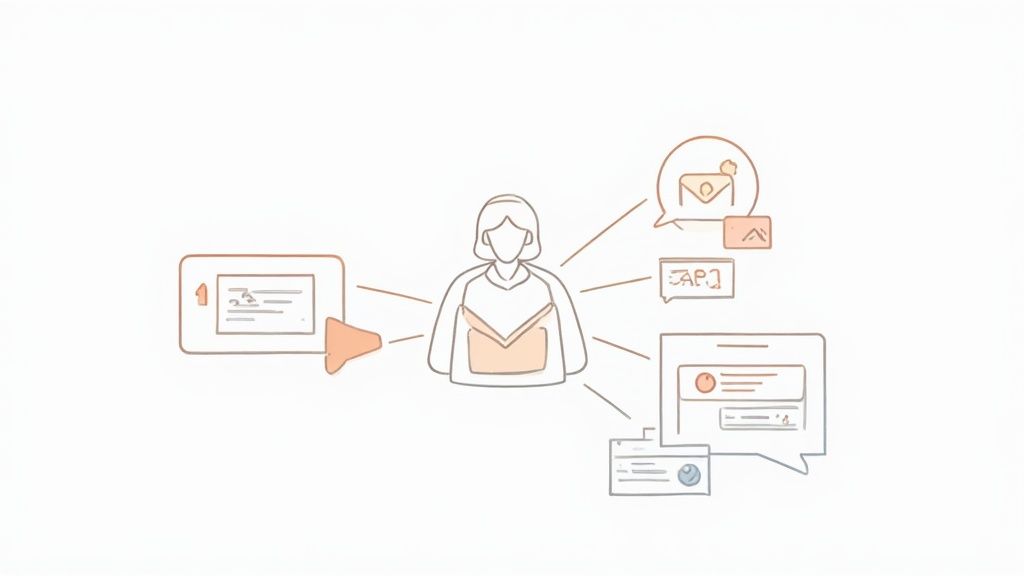
When every interaction feels familiar, shoppers begin to trust your brand—and trust drives repeat business. By tapping into browsing history, purchase records and real-time behavior, you can deliver relevant recommendations via email, SMS and on-site pop-ups that spark immediate interest.
Integrating chatbots, a self-serve knowledge base and live agents into a unified customer profile keeps conversations rich with context. This blend of automation and human interaction means simple questions get lightning-fast replies, while complex issues receive the empathy they deserve.
Good support doesn’t just solve problems—it pays off. A strong service strategy can boost lifetime value by 14% and increase purchase frequency by 2.6x. Read more about ecommerce customer service ROI on edesk.com.
Key Tactics:
- Leverage customer profiles to sync orders and browsing across every channel
- Trigger tailored offers when shoppers linger on product pages
- Route inquiries to the right expert, reducing resolution times
On-site pop-ups that mirror recent views make abandoned carts feel like second chances. One electronics retailer saw a 20% jump in accessory add-ons simply by suggesting complementary gear right after checkout.
Trigger Dynamic Recommendations
Email blasts now automatically pull related SKUs whenever someone browses or buys in a target category. SMS follow-ups can flash limited-time deals on similar products. When customers circle back to your site, banners update in real time to extend the same offers.
“Seamless offers across channels keep your brand top of mind and drive more repeat purchases.”
Automation platforms like Toki let you build rules that sync product suggestions and messaging instantly. Every email click, chat message and in-store credit redemption feeds into one central profile.
- Map chat transcripts to order IDs for deeper context
- Use segment data to tailor support dialogues
- Track response times alongside repeat purchase rates
Balance Automation And Human Touch
Chatbots handle FAQs in seconds. The moment complexity kicks in, they hand off to live agents—no more customer frustration. Clear escalation paths mean shoppers never repeat themselves, and your team can focus on the cases that really demand a human voice.
| Channel | Automation Feature | Human Support Trigger |
|---|---|---|
| Product suggestions | Agent intervention for refunds | |
| SMS | Abandoned cart nudges | VIP issue escalation |
| Live Chat | FAQ bot responses | Live agent hand-off |
A combined help center shows knowledge-base articles alongside previous chat history. That way, customers revisit past solutions and feel truly heard before launching a new conversation.
Integrate Support With Profiles
Linking every ticket to profile data gives agents instant access to purchase history, loyalty tier and open requests. This unified view reduces friction and opens the door for timely follow-ups.
When someone levels up their loyalty status during a support call, trigger a congratulatory note and bonus points. It turns a simple help request into a memorable loyalty moment.
Triggering rewards during support interactions transforms a help call into a retention driver.
Logging these interactions uncovers which channels and messages drive the most repeat visits. Often, a friendly live-agent follow-up outperforms a fully automated sequence—something your A/B tests will confirm.
Implementation Checklist
- Sync data feeds across email, SMS and on-site touchpoints
- Configure recommendation rules based on views and purchases
- Deploy chatbots with clear hand-off triggers
- Map every support interaction to a unified customer profile in Toki or your CRM
- Run A/B tests on automated versus live-agent messaging
- Review analytics weekly and refine your highest-impact triggers
With a unified personalization and support strategy, every channel becomes a retention engine that cultivates loyalty and repeat sales. Start weaving these elements together today to see more engaged customers—and a healthier bottom line—tomorrow.
Tip: Use dynamic segments to surprise shoppers with birthday treats, post-purchase anniversary deals or holiday bonuses. A little unexpected delight goes a long way.
Optimize Onboarding, Reengagement And A/B Testing
The very first message you send sets the tone for every order that follows. A friendly welcome series outlines what to expect, while clear product guides banish uncertainty. Nail this step and you’ll see trust—and repeat buys—rise fast.
When you suggest products in that initial email, open rates can climb by 40%. One gourmet snack brand rolled out a three-email tutorial and watched second orders jump 15%. It shows customers you care and makes them eager to explore more.
A quick, targeted nudge after checkout does more than drive up average order value. It also primes people for your next campaign. Track where folks drop off, then send follow-up messages exactly when they’re most likely to convert.
Templates For Cart Recovery And Win Back
- Abandoned cart emails featuring product images and dynamic timers can recuperate as much as 20% of lost sales.
- Win-back SMS sequences launch after 30 days of silence, offering a free-shipping code or 15% off to reawaken dormant shoppers.
- VIP reactivation notes highlight exclusive access to new drops and bonus points—perfect for premium members.
You can set these flows up in Shopify with apps like Toki. Its drag-and-drop editor makes it easy to tailor triggers, swap content blocks, and schedule sends.
A/B Testing Best Practices
Frame each experiment around one change—say, swapping “Welcome” for “Ready To Explore” in your subject line. That kind of focused test can improve conversions by 25%, according to Help Scout data.
Pick clear metrics: open rate, click-through rate, conversion lift. Run your test for about 7–14 days so you collect reliable data without stalling ongoing campaigns.
- Hypothesis: A curiosity-driven subject line sparks higher clicks.
- Tracking: Tag links with UTM parameters or use Shopify analytics to segment results.
- Next Steps: Roll out the winning variant, then test a new element like send time or header image.
“A focused A/B test that isolates one variable at a time can improve conversion by up to 25%, according to Help Scout data.”
Share results in a live dashboard so marketing, product, and support all move in sync. Small tweaks, repeated over time, deliver major gains in customer retention.
Shopify Friendly Integration Checklist
| Task | Tool | Status |
|---|---|---|
| Build welcome sequence | Toki Campaigns | Pending |
| Create abandoned cart flow | Shopify Flow | Complete |
| Configure win-back SMS | Toki Messaging | Pending |
| Launch A/B test on emails | Toki Analytics | Ongoing |
| Set up dashboard alerts | Shopify Reports | Pending |
Tick off each item as you go so every flow stays active and measurable. This table ensures your team knows exactly what’s live and what needs work.
Final Tips For Smooth Execution
Tie every campaign to a clear goal—boosting first-purchase rate, cutting cart abandonment, or reactivating silent buyers. When your dashboard reflects those targets, everyone works from one truth.
Check performance weekly and bring findings to your stand-ups. A quick survey or micro-poll can capture real-world feedback you won’t spot in raw data.
- Prioritize flows by potential impact and ease of implementation.
- Record both wins and misfires—building a playbook of what really works.
Put these tactics in place, and you’ll transform onboarding and reengagement into a powerful engine for lasting loyalty.
Customer Retention in E-Commerce FAQs
It costs about 5× less to keep an existing customer than to land a new one. Focusing on retention fuels steady, sustainable growth.
Below, you’ll find insights on tracking performance, picking the right loyalty model, evaluating paid memberships, and setting up automated re-engagement flows.
What Retention Metrics Matter Most
Understanding Customer Lifetime Value (CLV) gives you a clear picture of revenue per shopper. Watching this number over time helps you spot trends before they become problems.
Keep an eye on repeat purchase rate and churn rate—successful stores typically see 20–30% repeat buyers and churn under 7%.
- Customer Retention Rate: Percentage of shoppers who return within a set period
- Active Customer Ratio: Buyers in the last 90 days
- Purchase Frequency: Average orders per customer
“Boosting retention by 5% can increase profits up to 95%.”
How To Choose a Loyalty Model
Your choice between a points program and a tier system should match your customer’s buying habits.
Points schemes reward frequent, smaller orders. Tiered rewards drive bigger spends by encouraging customers to climb levels.
| Model | Best For | Benefit |
|---|---|---|
| Points | Frequent small purchases | Instant rewards that keep shoppers engaged |
| Tiers | High-spend segments | Larger average orders as members aim for higher status |
A boutique apparel store saw its repeat purchase rate jump by 18% after introducing a tier-based program.
When Paid Membership Makes Sense
Paid memberships shine when the extra value you deliver is at least 3× the annual fee.
One beauty brand charged $49 per year and saw $200 in additional repeat orders per member.
- Member Perks: Free shipping, early access to launches
- Trial Periods: A 14-day trial eases signup concerns
- Pricing Strategy: Align fees with benefits customers actually use
Use Shopify apps like Toki to handle billing and integrate digital wallet passes seamlessly.
How To Automate Reengagement Flows
Winning back inactive shoppers is all about timely, relevant messages.
- Cart Abandonment: Emails at 1, 24, and 72 hours with varied incentives
- Win-Back Campaign: Send a 15% discount after 30 days of silence
- Birthday Messages: Offer a personalized treat on their special day
- VIP Alerts: Notify top customers about exclusive drops
Pair these triggers with segments based on past purchases so every email feels hand-picked.
Common Mistakes to Avoid
Too many emails can push people away. Stick to no more than three follow-ups in a single week.
- Over-emailing can cut open rates by 15%
- Generic messaging feels spammy and kills engagement
- Ignoring unsubscribes harms your sender reputation
Always run A/B tests on subject lines and content blocks before rolling out at scale to dodge costly missteps.
Toki is the all-in-one loyalty platform built for Shopify merchants who want to grow repeat sales and deepen customer relationships. Visit buildwithtoki.com to get started today!